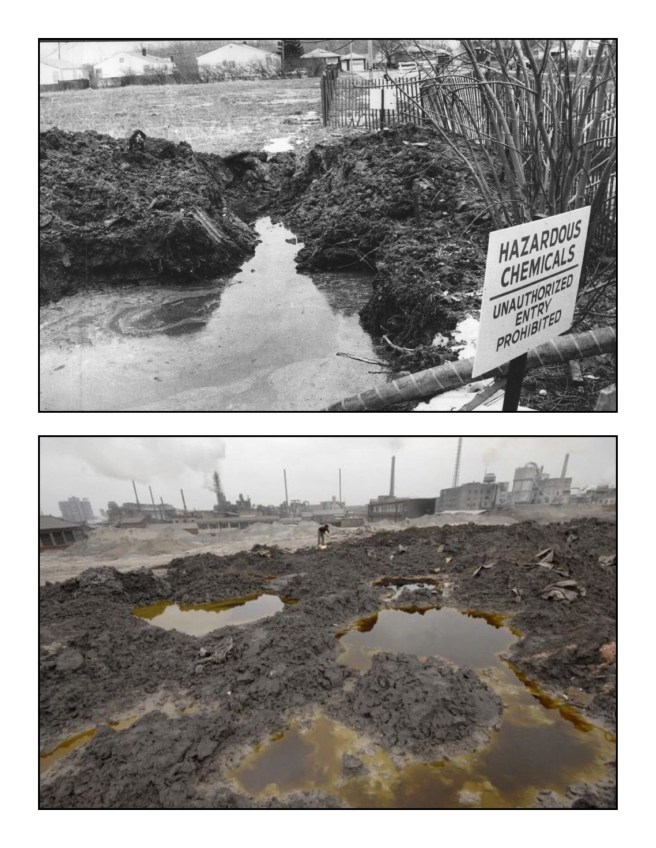
Kent Armstrong is apart of a company called Terrastryke. Terrastryke works in toxic waste removal and our class was lucky enough to listen to his experiences and what he does. When we had the opportunity to listen to Kent’s lecture he went over three main topics; regulations, remediation, and types of remediation. One of the first things that Kent talked about was the TSCA, or Toxic substance control act. This act was put into place to regulate existing chemicals and the introduction of news ones. “Sometimes regs get crazy” says Kent. When Kent was discussing regulations one thing that stood out was an incident where a Lowe’s violated many of these regulations. Kent begins by saying “they violated every law you could imagine.” The Lowe’s had PCBs in the areas soil. PCB is polychlorinated biphenyl and can cause respiratory problems, Chlorance , and skin lesions. One law that was broken was the RCRA law, which regulates where water is transported, instead of following these regulations the Lowe’s moved the soil off site and hid it under a tarp. One thing Kent mentioned in his presentation was the Love Canal site. This site was near Niagara falls and involved 70 acres of toxic landfill. This site had to be cleaned through a superfund site. A Superfund sites is a polluted area that the government takes into its program and cleans.
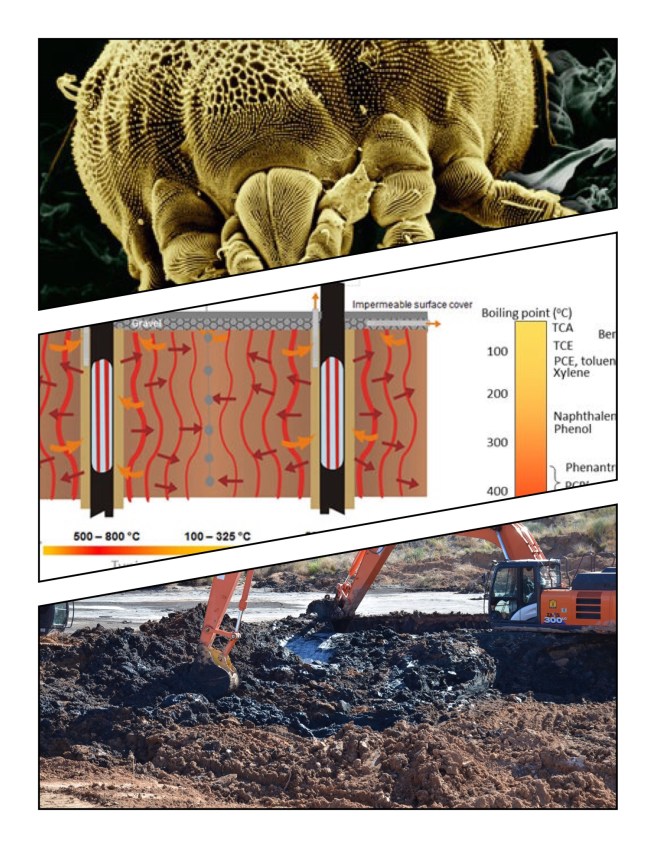
One of the last things we got to hear Kent talk about was different type of remediation. Kent described three types of remediation; excavating and disposing, thermal treatment, and bioremediation. Excavating and disposing is simply digging up the contaminated soil and moving it. The process is simple and cheap but risks spreading the contamination. Thermal treatment involves using technology to directly transfer heat to the soil, destroying toxins. This method is used for its highly predictable results. Bioremediation is using bugs or any life from to clean soil. Kent talked about how his job includes “teaching bugs how to eat toxins” this method is cheap but risks messing up the ecosystem in the area.
Although Kent’s presentation seemed at times all over the place, I found it to be very interesting. Kent really seemed to be passionate about his work which I found inspiring. I could really see that Kent was excited about talking to us. What I found most interesting about the experience was the bioremediation. Before hearing Kent I had no idea that living things could be used to clean up large scale contamination. The fact that we can manipulate microbes to eat toxins is quite amazing and it gets me thinking about what else we could use them for.

 AP Enviormental Science